


Rosehill, Where History Meets The Racecourse
Rosehill is a suburb most often associated with its iconic Rosehill Gardens racecourse. Since 1885, the track has shaped Australia’s racing history, hosting the world-renowned Golden Slipper, racehorse legend Phar Lap’s first win in 1929, and the first successful powered flights in NSW in 1910, by the escapologist known as Harry Houdini. But beyond the grandstands, on the traditional lands of the Dharug people, Rosehill reveals a quieter legacy, home to Elizabeth Farm, Australia’s oldest surviving colonial homestead.

Elizabeth Farm, Rosehill
Rose Hill, as it was originally named by Governor Arthur Phillip in 1788, is an easy suburb to navigate. Start your morning at Chestnut Cafe on Unwin Street, they serve a smooth KaapiKaapi brew and a tempting menu of hot brekkie items.

Chestnut Cafe, Rosehill 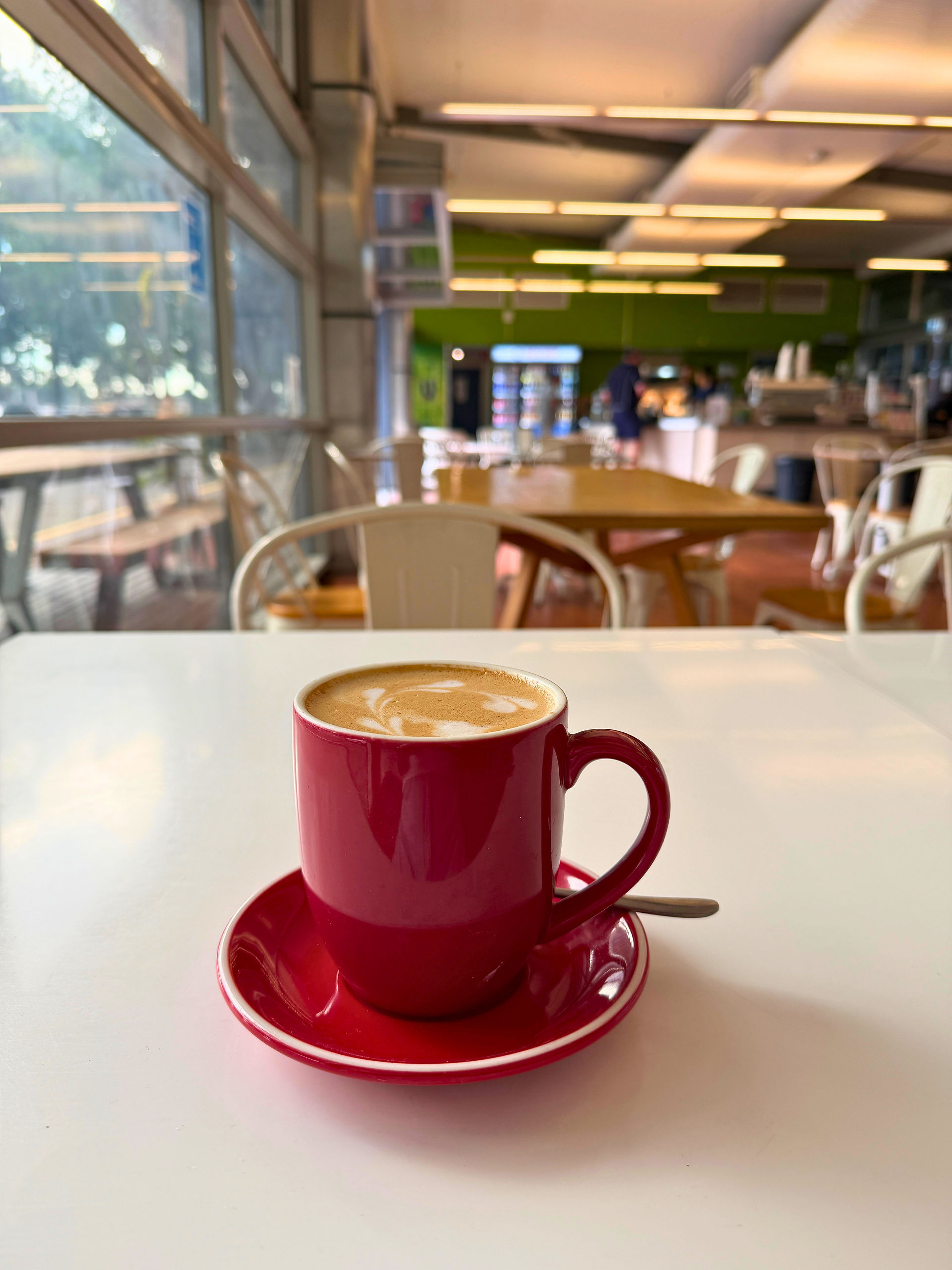
A KaapiKaapi brew in Chestnut Cafe, Rosehill
Close by is the Rosehill Gardens racecourse. On race days the field comes alive, with cheering crowds and a trackside full of colour thanks to Fashions on the Field. This is a track where some of the world’s greatest horses and jockeys have raced, including Damien Oliver and three-time Longines World Jockey of the Year James McDonald. With race events across the calendar, you can book in a visit and experience this for yourself, there’s nothing quite like the energy of thundering hooves and a sideline of excited cheers you can be part of.

Rosehill Gardens Racecourse, Rosehill 
Rosehill Gardens Racecourse, Rosehill 
Rosehill Gardens Racecourse, Rosehill 
Rosehill Gardens Racecourse, Rosehill
Biplane Park is a fun stop for families, with its plane-shaped playground in recognition of Rosehill’s aviation connection and local biplane builder, Sydney Staff. Just a short five minute stroll from here is Elizabeth Farm, the family home of colonial pioneers John and Elizabeth Macarthur.

Biplane Park, Rosehill
Built in 1793, the three-bedroom brick cottage is listed on the NSW State Heritage Register as a historic example of Australia’s earliest colonial dwelling. The garden also contains some of the earliest European plantings in Australia.
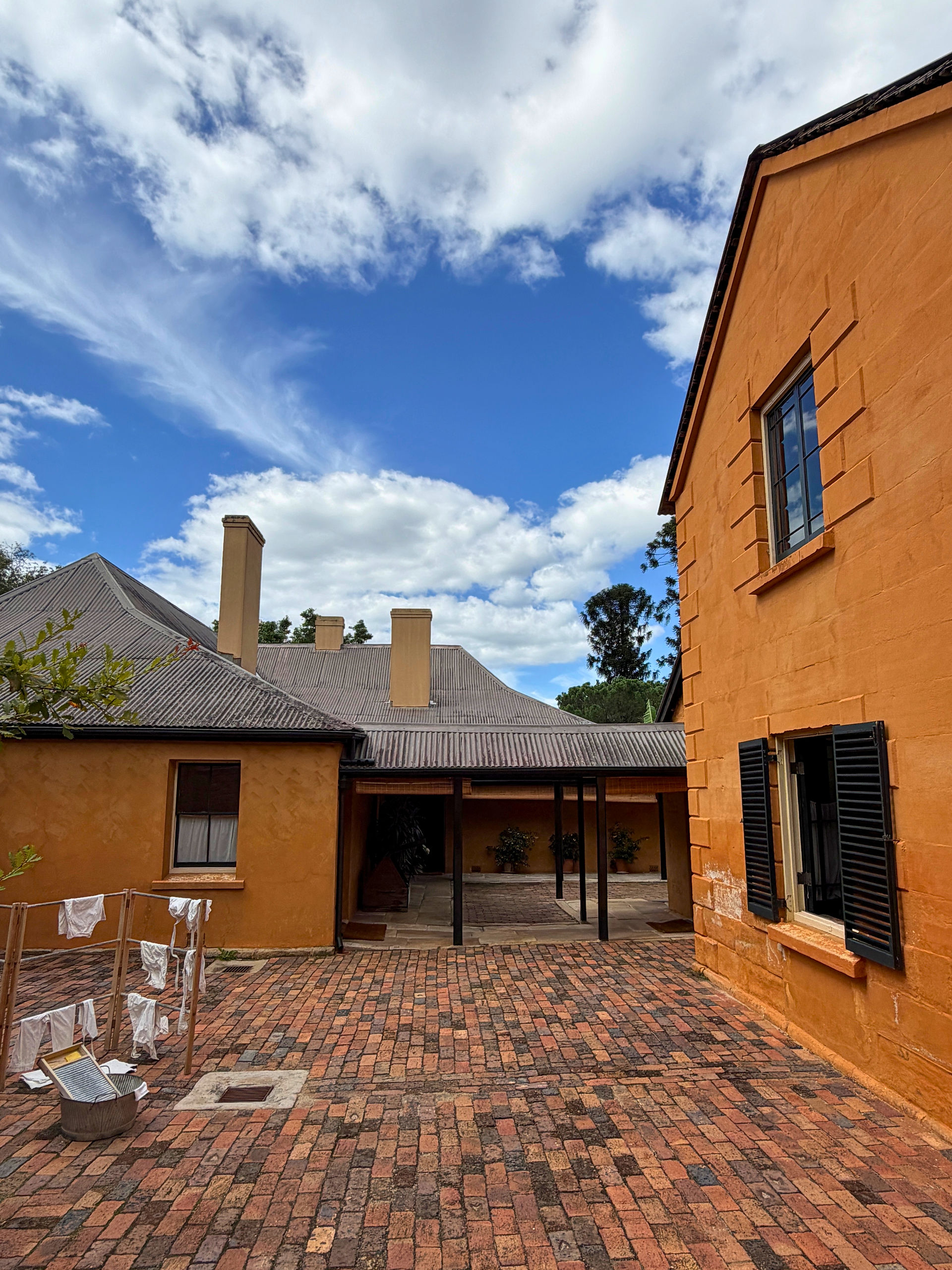
Elizabeth Farm, Rosehill 
Elizabeth Farm, Rosehill 
Elizabeth Farm, Rosehill 
Elizabeth Farm, Rosehill
Run as a free museum by Museums of History NSW, rooms have been decorated as they may have been during the Macarthur’s residence. You can explore the living quarters, cellar, kitchen, bedrooms and gardens, allowing you to step back in time and picture how life in the 1800s may have been. An immersive and interactive way to experience Australian colonial history.

Elizabeth Farm, Rosehill 
Elizabeth Farm, Rosehill 
Elizabeth Farm, Rosehill 
Elizabeth Farm, Rosehill
As an excellent lunch option, The Camellia Hotel is a standout, a cosy space with tartan carpet flooring, booth seating and colourful wallpaper walls. WEST loved the menu variety, choosing between a pub classic, Asian specialty, seafood dish or chef specials. The flavour-packed crispy pork belly was a WEST favourite.

The Camellia Hotel, Rosehill 
The Camellia Hotel, Rosehill 
The Camellia Hotel, Rosehill


Comments